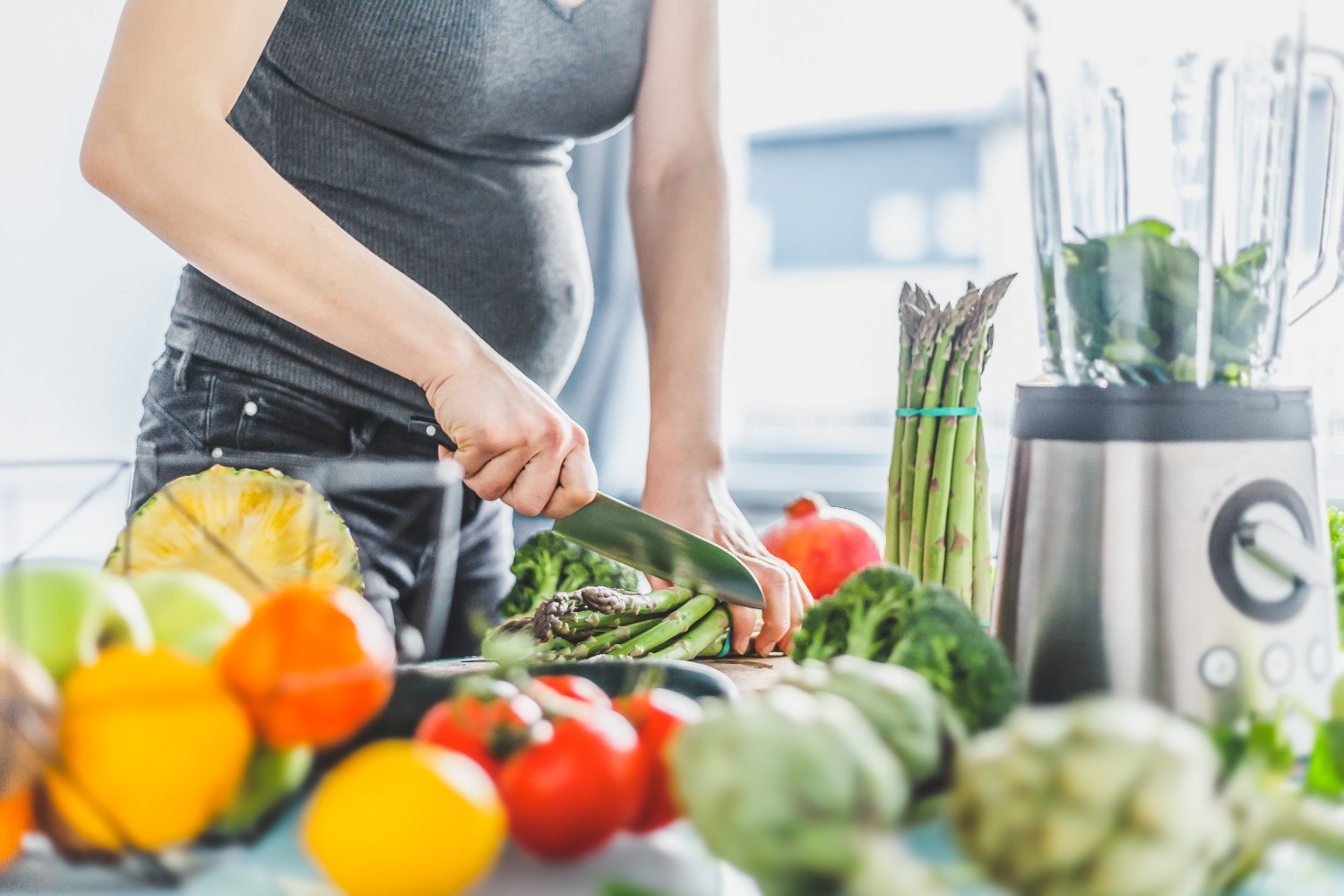
Pregnancy is a crucial phase in a woman's life that requires special attention to nutrition. A balanced diet rich in essential nutrients supports the healthy growth and development of the baby while helping the mother maintain her health and energy levels. Proper nutrition during pregnancy can contribute to a healthy pregnancy journey and reduce the risk of complications.
Why Nutrition Is Important During Pregnancy
During pregnancy, the body's nutritional needs increase to support fetal growth, organ development, and maternal health. Consuming nutrient-dense foods helps provide the vitamins, minerals, protein, and healthy fats needed for both mother and baby.
1. Folic Acid
Folic acid is one of the most important nutrients during pregnancy. It helps prevent neural tube defects and supports the healthy development of the baby's brain and spinal cord.

Sources: Spinach, broccoli, lentils, beans, citrus fruits, and fortified cereals.
2. Iron
Iron helps produce hemoglobin, which carries oxygen throughout the body. Pregnancy increases the demand for iron to support the growing baby and placenta.
Sources: Lean meats, spinach, lentils, chickpeas, tofu, and iron-fortified foods.
3. Calcium
Calcium is essential for the development of the baby's bones and teeth while maintaining the mother's bone health.
Sources: Milk, yogurt, cheese, paneer, almonds, and leafy green vegetables.
4. Protein
Protein supports the growth of fetal tissues, including the brain, and helps the mother's body adapt to pregnancy-related changes.
Sources: Eggs, fish, chicken, dairy products, lentils, beans, tofu, and nuts.
5. Omega-3 Fatty Acids
Omega-3 fatty acids play a key role in the baby's brain and eye development and may support a healthy pregnancy.
Sources: Fatty fish, walnuts, flaxseeds, chia seeds, and omega-3 fortified foods.
6. Vitamin D
Vitamin D helps the body absorb calcium and supports healthy bone development for both mother and baby.
Sources: Sunlight exposure, fortified milk, eggs, and fatty fish.
7. Iodine
Iodine is important for the production of thyroid hormones, which are essential for the baby's brain development and growth.
Sources: Iodized salt, dairy products, seafood, and eggs.
8. Fiber
Fiber supports healthy digestion and helps prevent constipation, a common issue during pregnancy.
Sources: Whole grains, fruits, vegetables, legumes, and seeds.
Hydration During Pregnancy
Staying hydrated is essential for maintaining amniotic fluid levels, supporting digestion, and reducing the risk of dehydration. Pregnant women should aim to drink adequate water throughout the day.
Foods to Limit During Pregnancy
- Excessive caffeine
- Highly processed foods
- Unpasteurized dairy products
- Raw or undercooked meat and seafood
- Foods high in added sugars
Healthy Pregnancy Nutrition Tips
- Eat a variety of nutrient-rich foods daily.
- Include fruits and vegetables in every meal.
- Consume adequate protein and healthy fats.
- Take prenatal supplements as recommended by your healthcare provider.
- Maintain regular meal timings.
"Good nutrition during pregnancy lays the foundation for a healthy mother and a healthy baby."
Conclusion
Meeting your nutritional needs during pregnancy is essential for supporting your baby's growth and your own well-being. A balanced diet rich in folic acid, iron, calcium, protein, and other essential nutrients can help ensure a healthy pregnancy journey. For personalized dietary guidance, consult a qualified nutritionist or healthcare professional.